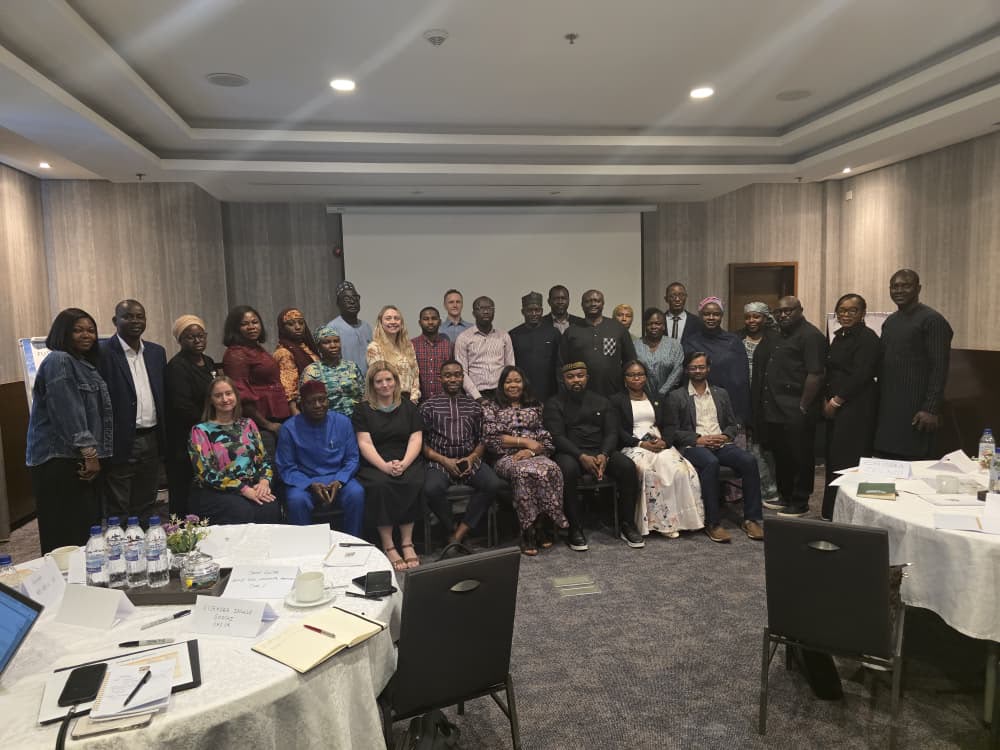
In a bid to strengthen national health and early warning system, the Nigerian Meteorological Agency (NiMet) and the United Kingdom Meteorological Office have convened a meeting that brought other agencies together to discuss the matter
The meeting also saw Foreign, Commonwealth & Development Office (FCDO) and other government agencies attending the seeion.
Opening remarks on behalf of NiMet’s Director-General/CEO, Prof. Charles Anosike, were delivered by the Director, Applied Meteorological Services, Mrs. Glory Onyegbule.
Prof. Anosike said climate change and variability increasingly threaten public health, citing rising temperatures, heat stress, changing rainfall patterns, flooding and climate-sensitive diseases. He called for stronger collaboration among meteorological, health, water resources and emergency management institutions.
He added that the Learning Lab’s success should be measured by practical outcomes, institutional commitments and actionable recommendations.
He thanked the UK Met Office for its technical support through the WISER programme and urged participants to contribute towards a sustainable,functional Health Early Warning System (HEWS) for Nigeria.
Participants examined pathways to an institutionalized national health early warning system, including clearer roles and coordination mechanisms, a shared climate-health risk narrative, and use of existing systems and data platforms. The programme also stressed evidence and policy recommendations to sustain government commitment.
Presentations covered the mandates of NiMet, NEMA, NOA, NCDC, NIHSA, NBS, NCCC and the Federal Ministry of Health and Social Welfare. NiMet’s mandate was presented by Oyegade Adeleke, DGM/CS.
A major feature of the session was the UK Met Office’s ACTION FIRST approach, which shifts the focus from considering “what the weather will do” to “what can be done” to protect lives and livelihoods. The approach comprises four stages: setup, preparation, warning and review.
An interactive session allowed participants to exchange experiences and seek clarification on climate and health, disaster management, agriculture and related issues, with agencies responding according to their mandates.
The wrap-up identified key areas for further discussion: integrating indigenous knowledge into risk education, addressing institutional and technical gaps, sustainable financing, and stronger coordination and partnerships among MDAs.