…as FAAN seeks robust collaboration to boost safety
The House of Representatives said it has commenced a legislative process on Occupational Safety and Health (OSH) Bill to provide a more comprehensive legal framework for workers’ safety and health.
The House is also seeking a dedicated budget line for the OSH activities across all federal Ministries, Departments, and Agencies (MDAs).
Recall that the House passed the bill for second reading in October this year.
The proposed legislation aims to provide a robust and comprehensive legal framework for the occupational safety, health, and welfare of workers across all workplaces in Nigeria, aligning with global standards like the International Labour Organization (ILO) Convention 155.
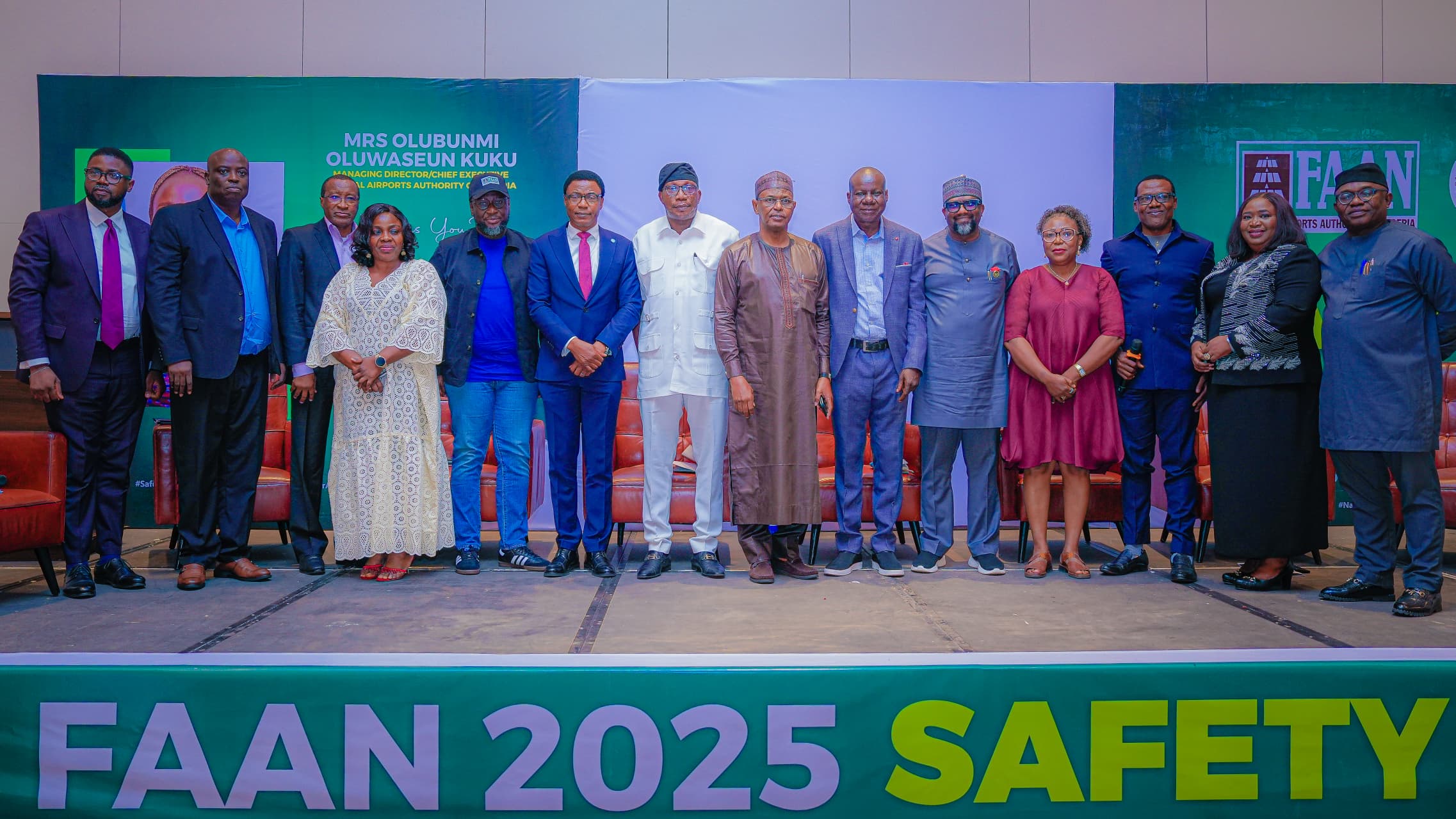
Speaking on Wednesday at an event marking the Federal Airports Authority of Nigeria (FAAN) Safety Week 2025 in Lagos, Chairman of the House of Representatives Committee on Safety Standards and Regulations,. Mr. David. Idris Zacharias called on Nigerians to support the push for the legislation and a dedicated fund for it.
He pledged the support of the National Assembly towards initiatives aimed at improving safety in work place, and especially, the aviation sector where safety should be the watchword always.
According to him, the theme of this year’s event, “Navigating Conflict for a Safer Aviation,” is timely as it underscores the need for collaboration, dialogue, and mutual understanding among all stakeholders in ensuring a safe, secure, and efficient aviation sector.
“As representatives of the people, the National Assembly, through the Committee remains steadfast in supporting all initiatives aimed at strengthening safety standards, improving regulatory compliance, and promoting the welfare of workers across the aviation industry and other sectors alike.
“The Committee has commenced legislative processes on Occupational Safety and Health (OSH) Bill, also a motion has scaled through on the floor of the House of Representatives to have a dedicated Budget Line for OSH activities across all MDAs, this is a call to be part of this movement.”, he said.
Zacharias commended FAAN for its proactive efforts in fostering a culture of safety, saying that though Safety is a continuous process, areas of improvement should be looked into.
He urged FAAN to sustain partnership among government agencies, operators, and professionals to advance Nigeria’s commitment to global best practices in aviation safety.
Meanwhile, Mrs olubunmi Kuku, Managing Director, FAAN, called on stakeholders including airlines, the regulator, security agencies, ground handlers and concessionaires to unite in building safety in the sector, adding that workers must be proactive, prepared and coordinated in responding to conflicts to avoid escalation that could threaten the Authority ‘s progress and jeopardise safety.
She outlined the decisive steps being taken by the Authority to mitigate conflict and ensure safety to include: training of frontline personnel in conflict de-escalation and behavioral awareness; enhance passenger facilitation processes to reduce stress and communication; strengthen inter-agency collaboration to ensure clarity of roles and unified responses to conflict and fostering a culture of respect, professionalism and accountability across airports.
Also speaking, a former commissioner for Information in Plateau State , Yakubu Dati who particularly noted that unruly behaviour by passenger pose serious challenges to operational efficiency and, at times, compromise aviation safety, raised alarm that that disruptive passenger events now occur at a rate higher rate, with verbal abuse, intoxication, and non-compliance among the leading causes.
He noted however that effective conflict management within the aviation sector requires the integration of negotiation, mediation, communication, and safety management systems (SMS), while ensuring that disagreements are constructively addressed before escalating into crises that could jeopardise passenger safety or disrupt operations.
The forget FAAN’s sooekespeson said: “Navigating conflict for a safer aviation industry involves not only addressing existing disputes but also developing institutional frameworks, leadership capacities, and communication structures that promote a culture of safety, trust, and collaboration. Understanding how conflicts affect aviation operations and exploring strategies for mitigating them is vital for ensuring a secure, efficient, and resilient air transport system capable of supporting global and national development goals.”