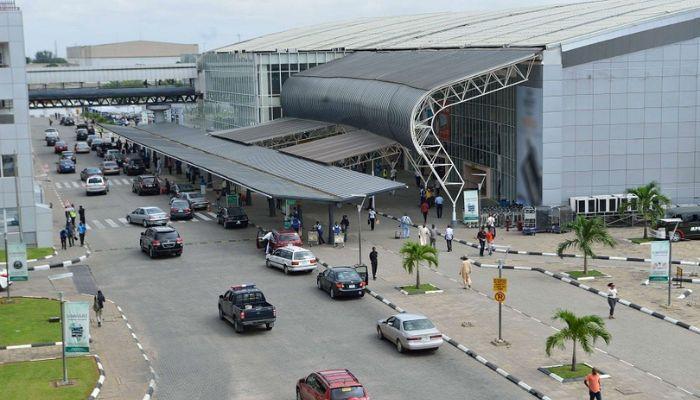
The Murtala Muhammed Airport Terminal Two (MMA2), operated by Bi-Courtney Aviation Services Limited (BASL), has mapped out series of plans to address and absorb growing passenger traffic as it continues to weigh down existing infrastructure.
The operator said it is responding to the changing environment in Nigeria’s air transport sector through continued investment in infrastructure as well as initiate measures aimed at improving the efficiency of the entire passenger journey.
The rapid growth in Nigeria’s aviation market is creating new demands on airport infrastructure and operations, requiring airport operators, airlines, government agencies and other stakeholders to continuously adapt to changing passenger volumes.
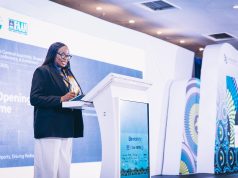
The issue has come into sharper focus during the ongoing ACI Africa Regional Conference and Exhibition 2026 in Abuja, themed “Next-Gen Airports: Driving Performance and Resilience.” The conference is bringing together aviation stakeholders to examine how African airports can respond to growing demand through infrastructure development, operational efficiency, digital transformation, sustainability and stronger collaboration.
The growth in Nigeria’s aviation market provides a clear indication of the pace of change. Nigeria recorded more than 18.8 million domestic and international passengers in 2025, representing an 11.9 per cent year-on-year increase, according to figures presented by the Federal Airports Authority of Nigeria (FAAN) at the ACI Africa conference. Scheduled airline capacity also reached approximately 1.19 million seats in September 2026, representing a 37.4 per cent increase over the same period in 2025, according to OAG data.
For airport operators, this level of growth means that capacity must be viewed beyond the physical size of a terminal. Infrastructure, airline scheduling, security deployment, road access, passenger-processing systems, technology and coordination among stakeholders must evolve together.
Managing Peak-Hour Demand
One of the key issues emerging from the growth in passenger traffic is the concentration of airline operations within particular periods of the day.
At MMA2, the operator said significant proportion of airline schedules is concentrated within the early peak period, placing simultaneous pressure on multiple components of the passenger journey. It added, however, that the terminal has sufficient available capacity outside this highly concentrated window.
“BASL is therefore engaging with airlines to adopt a level 2 schedule-coordination/slot system to better distribute demand across available capacity. Such an approach requires close collaboration between the airport and airlines. The challenge is to ensure that any adjustment to flight schedules takes into consideration the commercial realities of airline operations, including passenger demand and potential revenue implications.
“Discussions with airlines are ongoing, with the objective of developing workable options that optimize available airport capacity while improving the passenger experience.”, Ajoke Yinka-Lawutyi, BASL spokesperson said.
Security screening, the operator said is another important component of the passenger journey.
BASL said it has been engaging with the Federal Airports Authority of Nigeria (FAAN) on the deployment of adequate Aviation Security (AVSEC) personnel to effectively man the available screening infrastructure during peak periods. FAAN has acknowledged the operational challenge and is already working towards solutions.
“BASL has also identified road traffic and access into the airport environment as another area requiring attention. Engagements have consequently been held with the Police Airport Command, Air Force authorities and other relevant security stakeholders to facilitate smoother movement of traffic into the airport and minimize delays before passengers reach the terminal.”, she added.
According to the operator, the response to growing passenger traffic also requires airports to look beyond conventional capacity expansion and explore technology-enabled solutions.
To this end, BASL said it is currently in discussions with its service partners to further scale digitization of key processes, with the objective of improving operational efficiency and reducing pressure on physical facilities.
It disclosed that plans are also underway for the introduction of a No-Bag Zone, which will provide passengers travelling without checked baggage with a more streamlined check-in experience.
“The terminal is also looking towards the application of Airport Collaborative Decision Making (A-CDM) principles, which promote the sharing of operational information and greater coordination among airport stakeholders. The objective is to improve predictability, efficiency and decision-making across the airport ecosystem.”
Building Capacity for Tomorrow
The developments at MMA2 reflect a wider reality facing the aviation industry: passenger growth is occurring at a pace that requires airport systems and processes to evolve continuously.
The discussions taking place at the ACI Africa conference around next-generation airports, resilience, digital transformation and operational efficiency are therefore directly relevant to the challenges confronting growing aviation markets such as Nigeria.
For BASL, the objective is to ensure that MMA2 continues to evolve with the market, not only by expanding infrastructure, but by improving how existing capacity is utilized and how the various stakeholders involved in the passenger journey work together.
As passenger numbers and airline operations continue to increase, the future of airport efficiency will increasingly depend on capacity, coordination, technology and collaboration working together.
The focus, therefore, is not simply on managing today’s passenger traffic, but on building a more coordinated, technology-enabled and resilient airport operation capable of supporting the continued growth of Nigeria’s aviation sector.